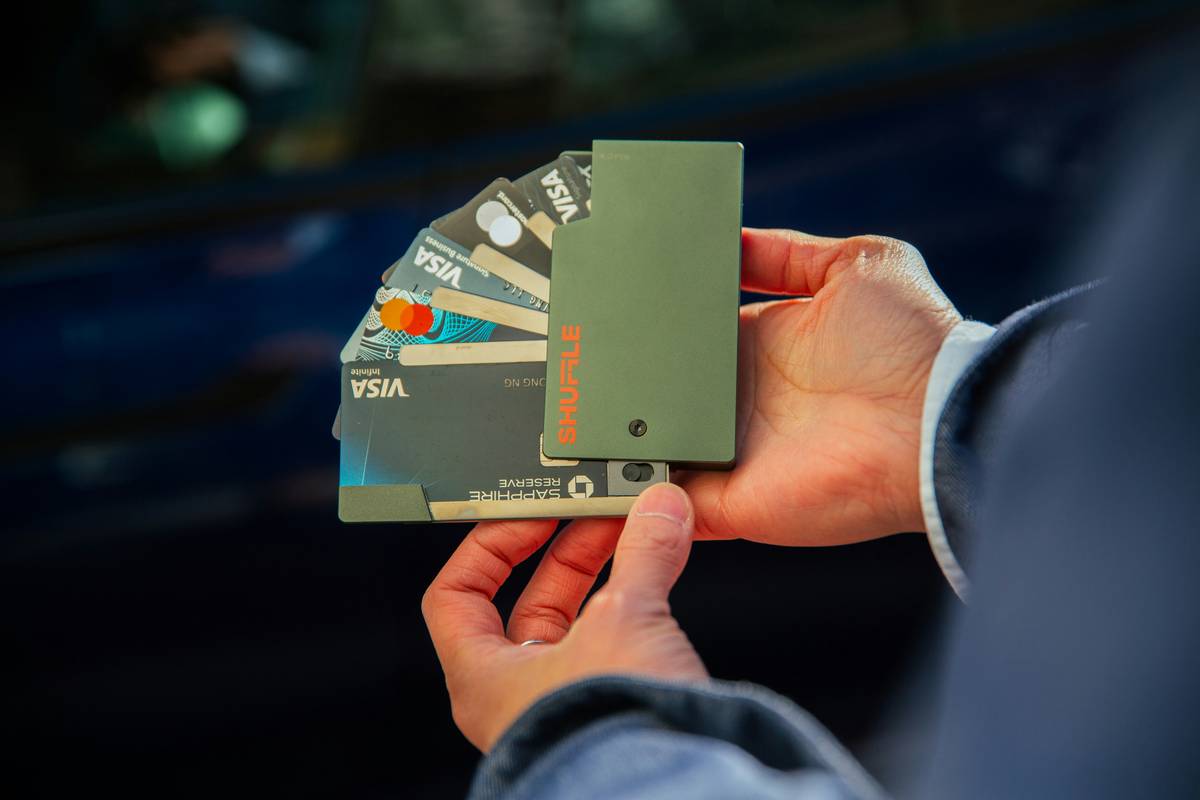
If you’re reading this with $5,000—or $15,000—sitting on your credit card statement, you’re not alone. Nearly half of U.S. adults carry credit card debt, and the average balance hovers around $6,000. But here’s the truth: paying it off doesn’t require magic—it requires method. In this guide, we’ll walk through actionable, battle-tested strategies to help you pay off credit card debt fast without wrecking your budget or sanity.
Table of Contents
- Why Paying Off Credit Card Debt Matters
- Step-by-Step Plan to Eliminate Your Balance
- Smart Habits That Accelerate Debt Freedom
- Real People, Real Results: Case Studies
- Frequently Asked Questions
Key Takeaways
- Use the avalanche or snowball method based on your personality—not just math.
- Avoid balance transfer traps by reading fine print on fees and intro periods.
- Track every dollar for 30 days—awareness alone cuts spending by 15–20%.
- Never skip payments; even one late fee can derail your entire payoff plan.
Why Paying Off Credit Card Debt Matters
Credit cards charge an average APR of nearly 21%—the highest of any consumer debt. That means a $5,000 balance costs you over $1,000 in interest annually if you only make minimum payments. Worse, revolving debt drags down your credit score and limits future opportunities like buying a home or starting a business.
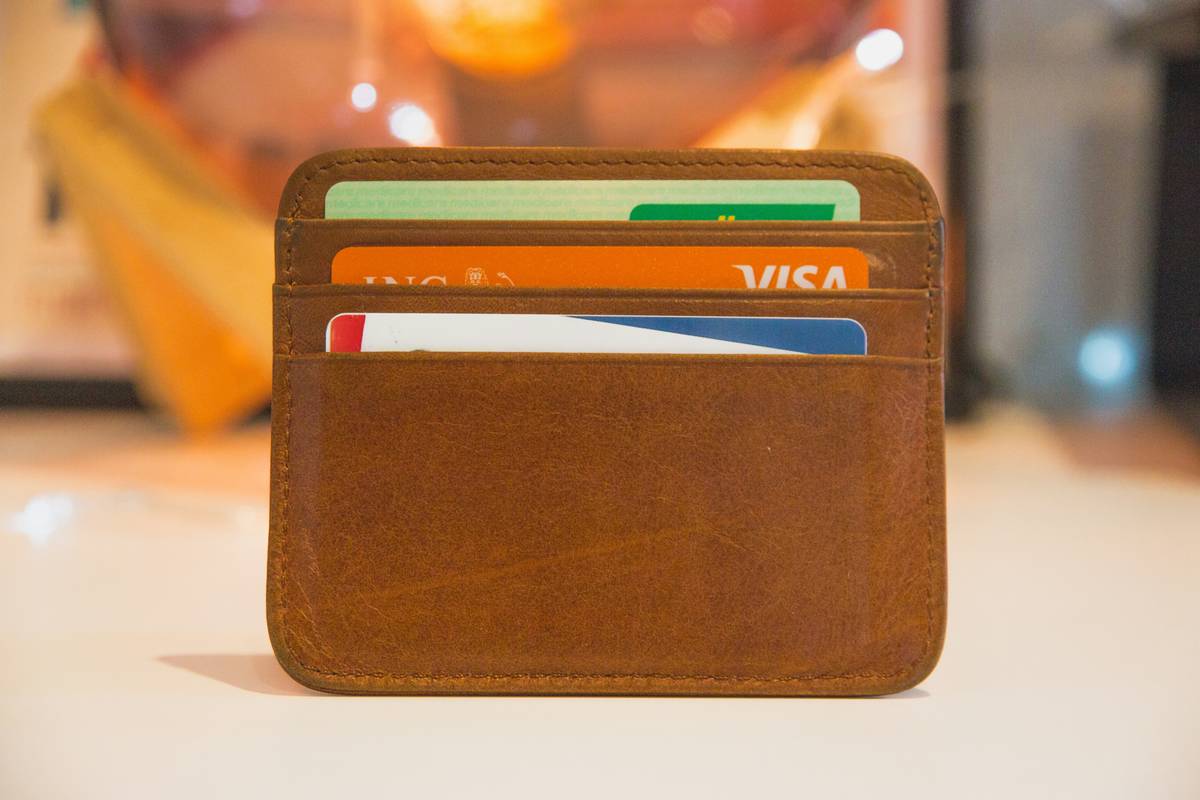
I learned this the hard way. Two years ago, I carried three cards totaling $8,200. I thought I was “managing” it by making minimum payments while saving for a vacation. Big mistake. By the time I paid off that trip, I’d added $1,400 in unnecessary interest. Don’t be like past-me.
Step-by-Step Plan to Eliminate Your Balance
List Every Card, Balance, and Interest Rate
Open all statements or log into your accounts. Create a simple table with columns for creditor, balance, APR, and minimum payment. Knowledge is power—and your first weapon.
Choose Your Debt-Killing Strategy
You’ve got two proven options:
- Debt Avalanche: Attack the card with the highest interest rate first. Mathematically optimal—you’ll pay less overall.
- Debt Snowball: Pay off the smallest balance first. You gain quick wins that fuel motivation (backed by behavioral science).
Pick the one that fits your psychology. I switched from avalanche to snowball after realizing I needed emotional momentum more than perfect math.
Redirect Cash Flow Ruthlessly
Cancel unused subscriptions. Cook at home 5 extra nights a month. Sell that old guitar gathering dust. Every unexpected dollar—from tax refunds to birthday cash—goes straight to your target card.
Smart Habits That Accelerate Debt Freedom
- Automate payments: Set up auto-pay for at least the minimum to avoid late fees and credit dings.
- Beware of balance transfer offers: A 0% intro APR sounds great, but most charge a 3–5% fee. Use tools like those from Consumer Financial Protection Bureau to calculate real savings.
- Don’t add new charges: Freeze your cards in a block of ice (seriously—it works) or lock them in a drawer. Stop digging deeper.
- Review progress weekly: Momentum thrives on visibility. Open your debt spreadsheet every Sunday morning with coffee.
Real People, Real Results: Case Studies
Sarah, a teacher from Ohio, paid off $9,300 in 11 months using the snowball method. She cut dining out from 8x/month to 2x, picked up weekend tutoring gigs, and put her tax refund ($2,100) toward her smallest card first. Once that was gone, she rolled its payment into the next card—creating a “snowball” effect.
Meanwhile, Mark, a software engineer, used the avalanche approach to eliminate $14,000 across four cards in 18 months. He negotiated a lower APR on two cards (yes, you can do that!) and redirected his annual bonus entirely to debt. Both tracked every expense using free apps like Mint or YNAB.
Frequently Asked Questions
How can I pay off credit card debt fast with no money?
Start by halting new spending and selling unused items. Even $20/week adds up. Also, contact creditors—many offer hardship programs with reduced rates.
Is it better to pay off one credit card or a little on all?
Focused payments (one card at a time) yield faster results than scattering small amounts everywhere. Choose one strategy—avalanche or snowball—and stick to it.
Will paying off my credit card improve my credit score immediately?
Yes! Credit utilization makes up 30% of your FICO score. Dropping from 80% to under 30% usage can boost your score by 50+ points within one billing cycle.
What’s the worst advice about paying off credit card debt?
“Just file for bankruptcy.” Unless you’re truly insolvent, this nuclear option destroys your credit for years and isn’t necessary for most people with manageable balances. There’s almost always a smarter path.
Can I negotiate lower interest rates myself?
Absolutely. Call your issuer, mention competitive offers, and ask politely. According to NerdWallet, success rates exceed 70% for customers in good standing.
How long does it take to pay off credit card debt fast?
With aggressive payments (e.g., doubling minimums), most balances under $10,000 can be cleared in 6–18 months. The key? Consistency—not perfection.
Freedom from credit card debt isn’t just about numbers—it’s about reclaiming peace of mind. If you’re ready to build a custom plan or need help navigating balance transfers, reach out to our team. And remember: every dollar you throw at that balance is a brick in the road back to financial calm. For more on who we are and why we care, check out our About Us page. We never share your data—see our full Privacy Policy for details.
One last thought: Debt is a storm, but you’re the lighthouse—not the ship. Anchor yourself in a plan, and the waves will pass.